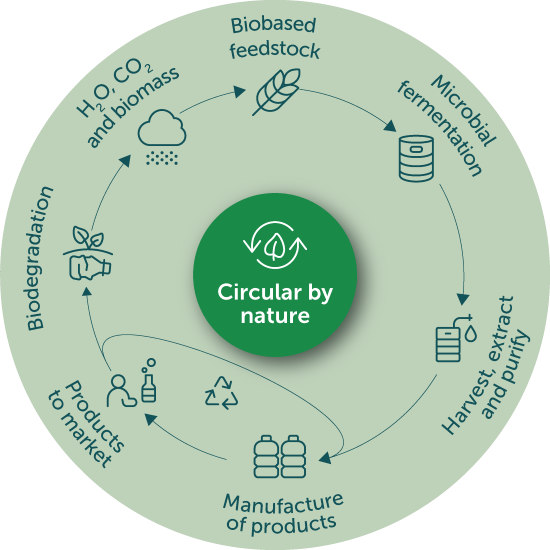
Our Centre works with industry, government and research organisations to co‑develop sustainable, high‑performance materials and products based on PHA (polyhydroxyalkanoate) and Starch bioplastics. We provide an end‑to‑end capability that spans materials development, processing, prototyping, product performance testing and environmental assessment.
Whether you are exploring a new product idea, improving an existing formulation, or seeking scientific validation, we can support you from concept through to real‑world demonstration.
Why Partner with Us?
We offer a unique combination of scientific capability, facilities and applied experience:
- End‑to‑end expertise across polymer processing, prototype development, characterisation and biodegradation assessment.
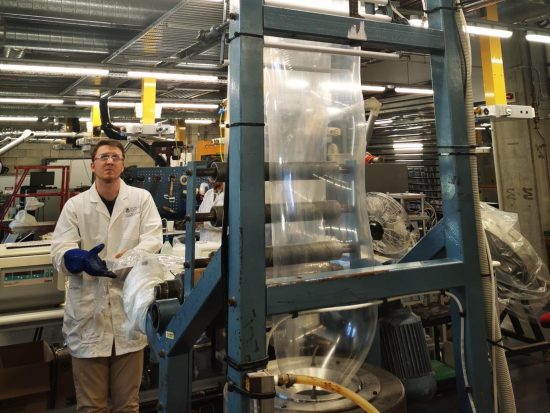
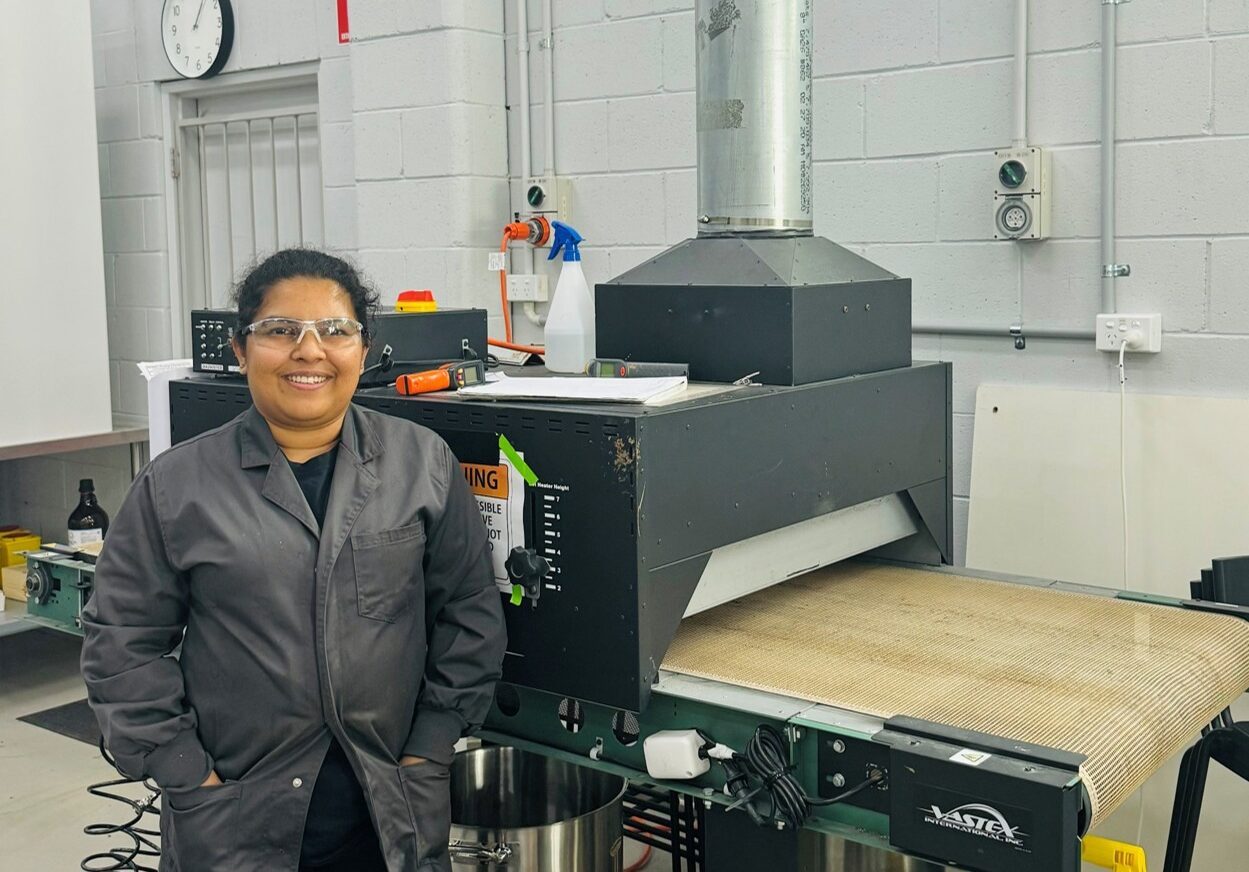
- Industry‑ready facilities, including extrusion, injection moulding, coating, film blowing, mechanical testing and environmental biodegradation platforms.
- Sustainable materials leadership, spanning PHA production, materials development, composites, coatings and controlled‑release systems.
- Applied collaboration, working with partners across agriculture, materials, packaging, environmental technology and biotechnology sectors.
Ways to Work with Us
We offer several engagement pathways to suit different project sizes and objectives:
- Contract Research
Targeted studies with clear deliverables. - Collaborative Research
Joint investigations integrating industry and academic strengths. - Product Development & Prototyping
Prototype design and manufacture using polymer processing facilities. - Testing, Validation & Characterisation
Mechanical, barrier, coating and biodegradation testing. - Student Engagement
Host or co‑supervise students on industry‑aligned projects.
Industry Placements
Our students undertake structured industry placements that connect organisations with emerging experts in biodegradable polymers, controlled‑release formulations, polymer processing, environmental testing and materials characterisation.
Placements can support applied research projects, prototype development, feasibility studies or skills‑focused training aligned with a student’s thesis.
Benefits for partners include:
- Access to motivated, research‑active students with hands‑on technical capability
- Dedicated support for short- or medium-term R&D needs
- Fresh ideas and innovation from our research community
- A low‑barrier pathway to engagement with our Centre
- Potential recruitment of future graduates
Our Capabilities
We provide end‑to‑end capability to develop, prototype and validate PHA‑based materials and products. Our capabilities include:
- Prototype product development: films, extruded products, injection‑moulded parts, composites, coatings, 3D printing
- Performance testing: mechanical, thermal and barrier analysis
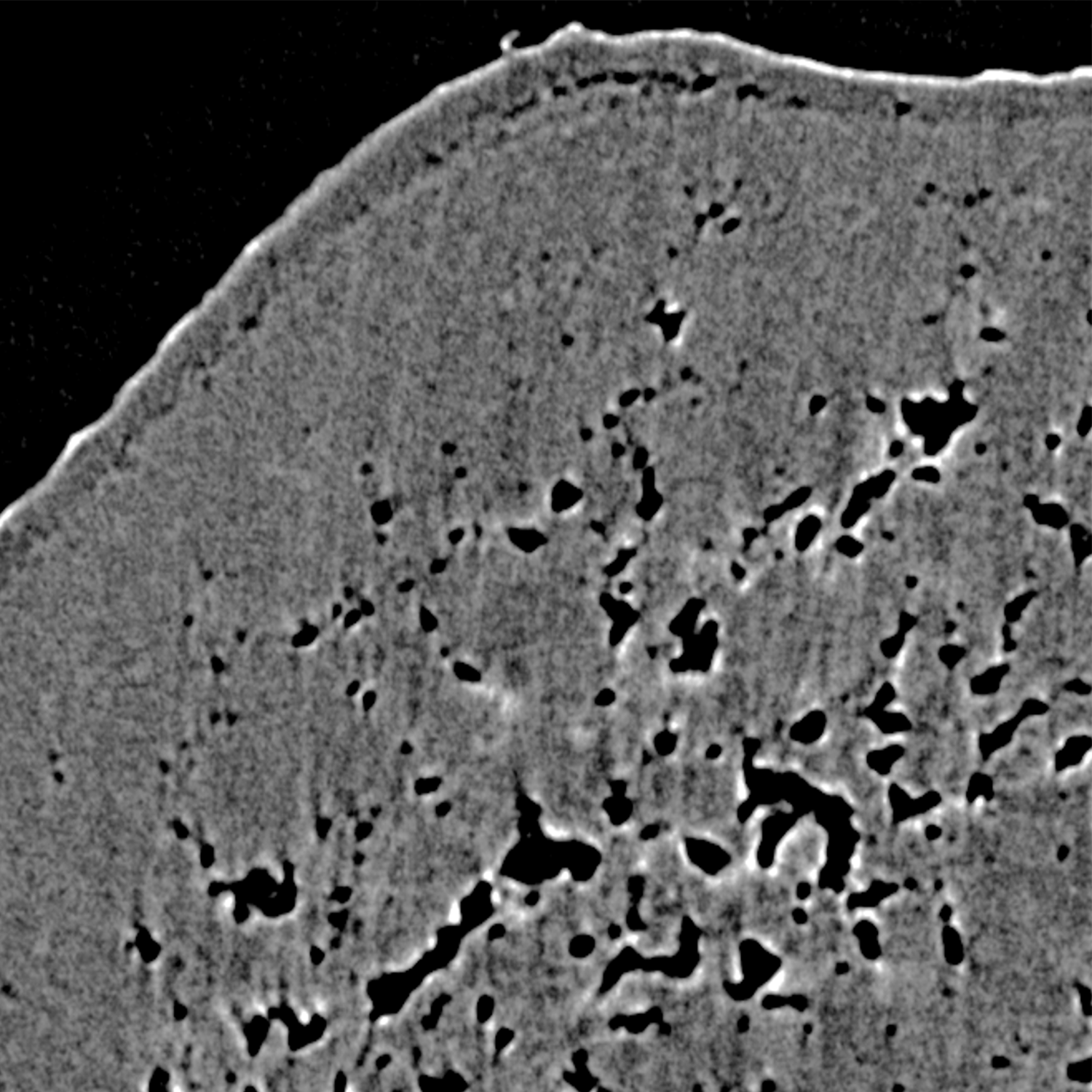
- Biodegradation assessment: soil, marine, compost, anaerobic digestion, UV/accelerated ageing
- Advanced characterisation
- Socio‑economic and techno‑economic assessments
- Polymer processing: extrusion/ reactive extrusion, fluidised bed spray coating, pan and drum coating, solvent casting, dip coating, film blowing, injection moulding, melt mixing, melt press, cryo‑grinding, ball mill, Parr pressure reactors
Application Areas
We work with partners across a wide range of sectors, including:
- Fertilisers and agricultural products
- Pesticides
- Nitrification and methane inhibitors
- Packaging and materials
- Medical, biomedical and consumer applications
- Microbial or biochemical delivery systems
- Environmental and circular‑economy technologies
Featured Project: Controlled-Release Technologies
Our Centre has developed a suite of biodegradable PHA‑based controlled‑release systems for agrichemicals, including fertilisers, pesticides, methane inhibitors and nitrification inhibitors. These systems align release behaviour with biological demand, improving efficacy, reducing agrichemical use and lowering environmental impacts.
Drawing on our expertise in polymer processing, coating development, materials characterisation and environmental testing, this work demonstrates how our end‑to‑end capability can translate industry challenges into validated, practical solutions.