
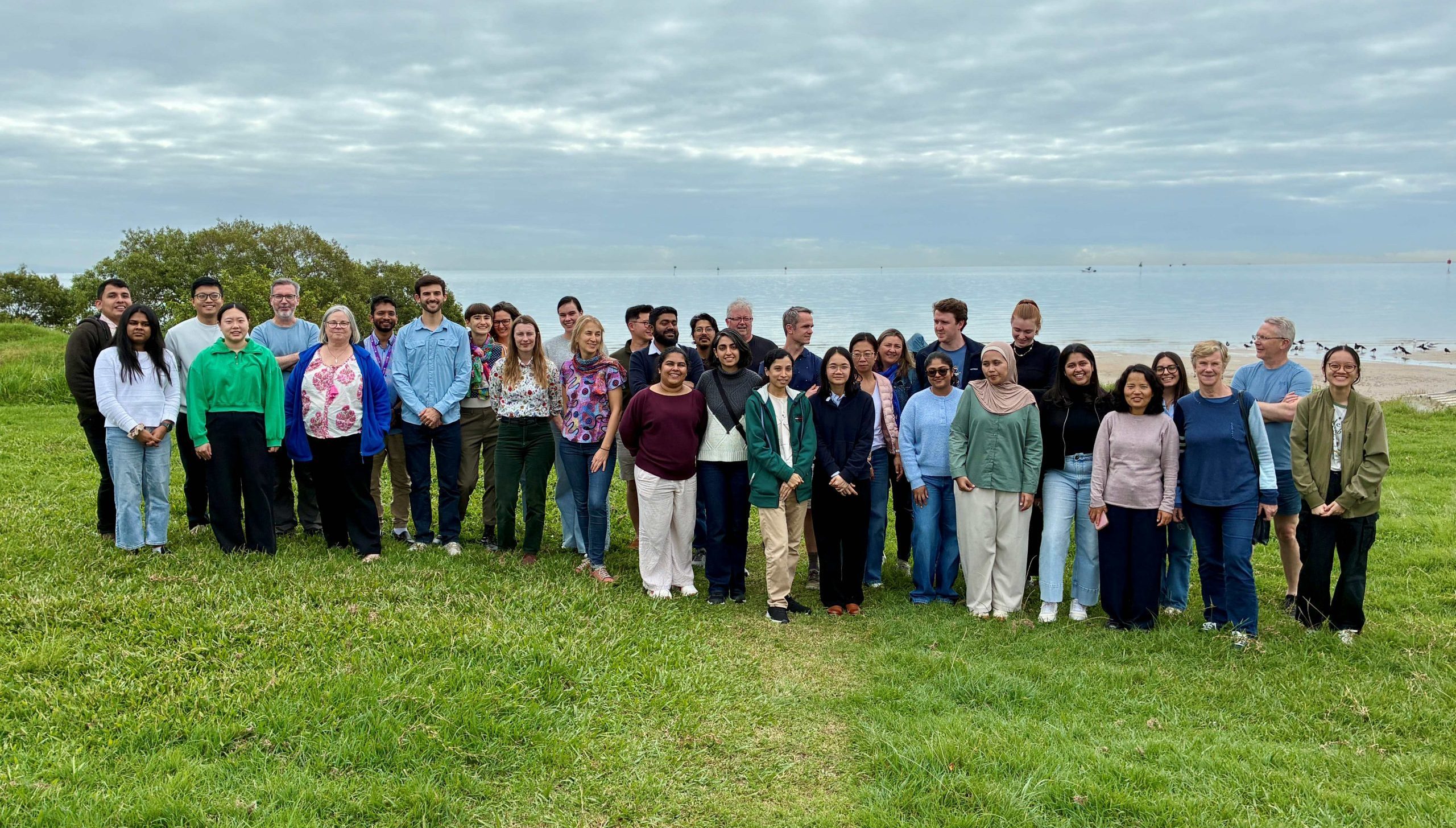
The ARC Training Centre for Bioplastics and Biocomposites welcomed HDR students, early career researchers, investigators and collaborators to its annual Research & Training Symposium at UQ’s Moreton Bay Research Station on Minjerribah from 17-19 June 2026.
Bringing together researchers from UQ, QUT, and partner organisations, the three-day program combined research presentations, professional development activities and opportunities to connect with place, supporting collaboration across the Centre as it approaches its fifth year.
Research, Reflection and Connection
The annual symposium provides an opportunity for members of the Centre to step away from their day-to-day research activities, share progress, build new collaborations and invest in their professional development.
This year’s event brought together approximately 35 participants for a program designed to support HDR students and early career researchers while strengthening connections across the broader Centre community.
As the Centre enters its fifth year, discussions throughout the symposium highlighted a growing transition from intensive laboratory work towards integration, synthesis and translation, with many projects now moving towards delivering research outcomes and impact.
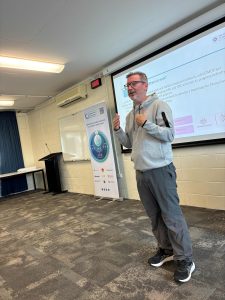
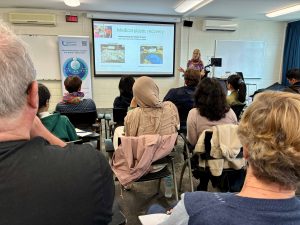
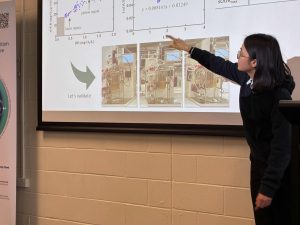
Images: Director welcome, ECR aligned research talks
Sharing Research and Future Directions
The Research Forum formed the centrepiece of the symposium, with researchers presenting recent technical achievements, discussing next steps and exploring the broader significance of their work.
Presentations spanned the Centre’s diverse research portfolio and highlighted the strong progress being made across multiple projects. Researchers also participated in a collaborative workshop examining future opportunities for bioplastics research and contributing to discussions around a future bioplastics roadmap.
The symposium also provided an opportunity to reconnect with Centre alumni and collaborators. Former postdoctoral researcher Dr Clement Chan, now working with the Queensland Department of Primary Industries, joined the event and shared updates on his current role, which includes hosting a Centre student undertaking an industry placement.
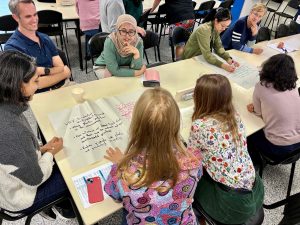
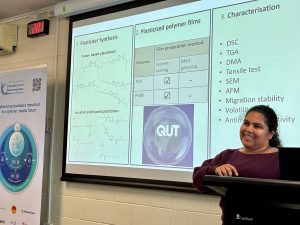
Images: Communication workshop and HDR talks
Investing in Researcher Development
The first and third days of the symposium focused on developing the skills required for successful research careers.
Participants explored topics including thesis development, scientific communication, figure design and public engagement. A workshop facilitated by Paul Marshall from Thinking Differently encouraged participants to reflect on emotional intelligence in professional settings and develop strategies for confidently setting boundaries and managing competing demands.
Researchers also completed activities exploring individual strengths and how these can contribute to effective teamwork, leadership and career development.
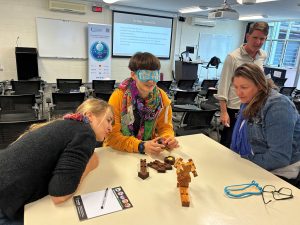
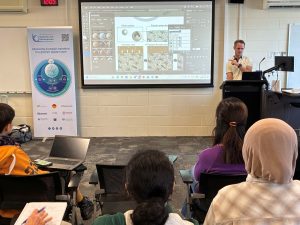
Images: How to say no workshop by Paul Marshall – Thinking Differently, Figure workshop
Learning Through Collaboration
Not all learning took place in a classroom.
One of the most memorable activities involved a team challenge to build the tallest possible tower using spaghetti and a marshmallow. While seemingly simple, the exercise highlighted the importance of experimentation, communication and collaboration under pressure.
The activity generated plenty of laughter while reinforcing valuable lessons about teamwork and problem solving that apply equally well in research environments.
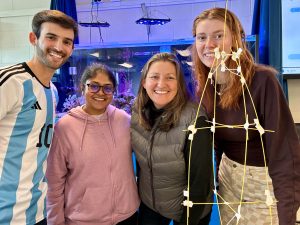
Image: Spaghetti tower team challenge winners
Connecting with Place
Beyond the formal program, participants had opportunities to experience the unique environment of Minjerribah.
Some started the day with optional ocean swims or walks, while others explored Point Lookout and enjoyed whale spotting along the coastline. And many were excited to see their first koala!
A visit to the Mibunnn-Jerrjerri Education and Information Centre (MMEIC) provided researchers with an opportunity to learn about local bush foods and Indigenous knowledge systems through a guided cultural experience.
These activities encouraged participants to connect with the local environment and reflect on the broader social, cultural and environmental contexts of sustainability research.
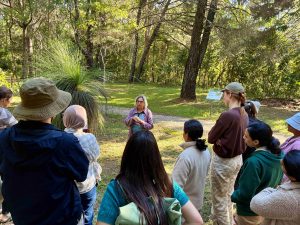
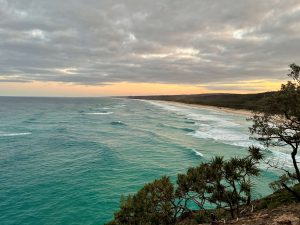
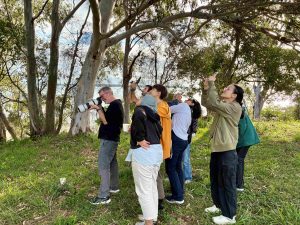
Images: MMEIC visit; Point Lookout scenery; Koalas near MBRS station
From Beach Clean-Up to Environmental Art
A highlight of the symposium was a beach clean-up activity led by Dr Tracey Read at South Gorge.
Participants collected plastic debris washed ashore before returning to Moreton Bay Research Station, where smaller fragments were sorted by colour and transformed into a collaborative artwork.
The resulting piece was visually striking, yet each fragment represented plastic that had escaped into the environment. The activity sparked discussion about the scale and complexity of plastic pollution and the many approaches required to address it.
While the Centre focuses on developing more sustainable bioplastics and biocomposites, participants reflected on the broader range of solutions needed, including responsible product design, waste reduction, improved collection systems and preventing materials from entering the environment in the first place.
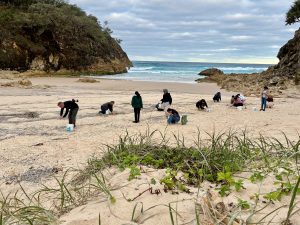
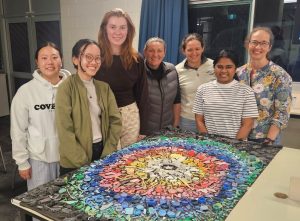
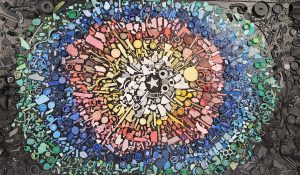
Images: Beach clean-up; Art team; Final artwork.
Video
Participants transformed plastic debris collected during a South Gorge beach clean-up into a collaborative artwork inspired by environmental art practices that highlight marine plastic pollution.
Looking Ahead
As the Centre approaches its fifth year, the symposium demonstrated the strength of its research community and the value of creating opportunities for researchers to learn from one another, develop new skills and build lasting professional connections.
The Centre thanks all presenters, facilitators, organisers and participants for contributing to a highly successful event and looks forward to the next phase of research, collaboration and impact.

